
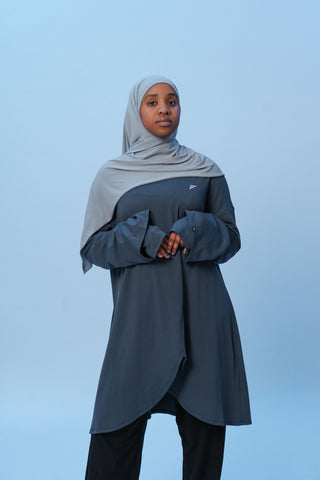
Engaging in physical activity during Ramadan requires careful planning to balance fasting, spirituality, and exercise. This guide presents the best time slots, how to adjust intensity, and nutritional strategies to adopt.
What is the best time to train?
Choosing the right time slot is essential for your performance and safety. A study on karatekas showed that the absence of nutritional intake primarily affects the nervous system — highlighting the crucial importance of timing.
After Iftar
2 to 3 hours after the evening meal. The body has enough energy, the risk of dehydration is reduced, and recovery is facilitated.
After Suhoor
Benefit from the morning coolness and the energy from the meal. Ideal for moderate activity before starting the day.
Midday
Between 12 PM and 4 PM, the risks of hyperthermia and dehydration are maximal. This slot is counterproductive and dangerous.
A short session just before Iftar (max 30 min, light effort) is also possible: you break your fast immediately after, which promotes rapid recovery.
Adjusting intensity and frequency
It is entirely possible to maintain physical activity by reducing intensity by 20 to 30% compared to your usual routine. Prioritize moderate efforts, not exceeding 70% of your maximum heart rate.
| Type of effort | Usual intensity | Ramadan intensity | Recommended duration |
|---|---|---|---|
| Weightlifting | 70–85% 1RM | 40–60% 1RM | 30–40 min |
| Moderate Cardio | 70–85% Max HR | 50–70% Max HR | 30–45 min |
| Yoga / Pilates | Normal intensity | Slight reduction | 45–60 min |
| HIIT / Explosive sports | Normal | To avoid | Not recommended |
Allow yourself 2 to 3 minutes of rest between sets to compensate for the lack of hydration. Studies confirm that this strategy helps maintain gains, despite a slight decrease in anaerobic capacity.
Which activities to prioritize during fasting?
✓ To prioritize
- 🧘♀️ Yoga & Pilates
- 🚶♀️ Brisk walking
- 🚴♀️ Light cycling
- 🏊♀️ Gentle swimming
- 🤸♀️ Progressive stretching
✗ To strongly limit
- ⚡ HIIT & intense cardio
- 🥊 Combat sports
- 🏋️ Heavy weightlifting
- 🏃 Sprint & explosive efforts
- 🆕 New intense sports
Incorporating active recovery — stretching or light walking — improves circulation without causing exhaustion. This is often more beneficial than a shortened intense session.
Scheduling your weekly sessions
Limit your frequency to 2 or 3 workouts per week and allow yourself at least one full rest day between each session.
Hydration and nutrition between iftar and suhoor
Hydration strategy
Aim for 1.5 to 3 liters of water between iftar and suhoor, in small, regular sips.
200 ml every 30 min for better assimilation without overloading the kidneys
Coconut water or light electrolyte-rich drinks to replenish mineral salts
Prefer waters containing sodium to maintain sodium-potassium balance
Coffee and tea: their diuretic effect increases the risk of dehydration the next day
Composing your meals to support your effort
Suhoor: moderate GI carbohydrates (oats, wholemeal bread) + protein (eggs, yogurt) + good fats for a slow release of energy over 16 to 17 hours.
Iftar: start with 3 dates and a large glass of water to restore blood sugar. Wait 30 min before the full meal. After training: simple carbohydrates (banana, juice) + protein for muscle recovery.
Precautions and warning signs
Severe dizziness · Persistent nausea · Blurred vision · Confusion · Unusual palpitations · Tremors · Sudden intense fatigue
In case of a warning sign: stop, rest, drink water and consume some sugar before resuming — or do not resume at all.
Opt for cool places, wear breathable clothing, have a damp cloth nearby
Start with gentle movements and always finish with static stretches
Aim for 6 to 7 hours, possibly in two cycles (before Fajr + nap after Iftar)
At least 1 full rest day per week. Decrease activity at the first sign of abnormal fatigue
Actions are judged by intentions — train for the love of Allah and be grateful for the body He has given you.
Outfits designed for every moment
Breathable, loose, and modest — F.ACTIVEWEAR pieces accompany you during your Ramadan sessions and throughout the year.
Discover the collection